Introduction to g5.7.9.zihollkoc
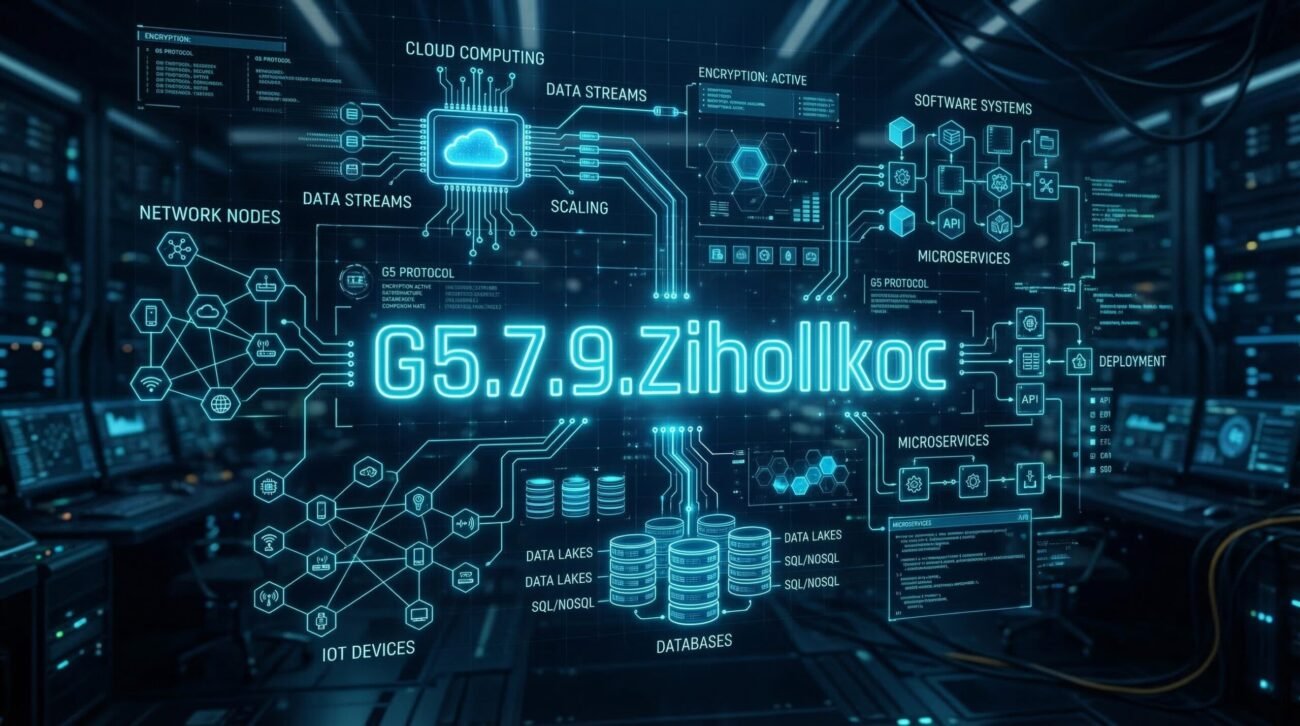
The term g5.7.9.zihollkoc refers to a specific framework or system that has garnered increasing interest due to its diverse applications and profound significance in various fields. This entity is recognized for its unique methodologies and innovative approaches that distinguish it from conventional models. As organizations and individuals strive to adapt to rapidly changing environments, the relevance of g5.7.9.zihollkoc cannot be overstated.
Primarily, g5.7.9.zihollkoc has found its applications in sectors such as technology, education, and research. Its structured nature allows for effective problem-solving and strategic planning, making it an essential tool in project management and development. By integrating advanced principles into its framework, g5.7.9.zihollkoc not only optimizes workflows but also enhances the decision-making processes that underpin successful outcomes.
Moreover, the significance of g5.7.9.zihollkoc extends beyond operational efficiency. It encourages innovation, fostering an environment conducive to creativity and exploration. This adaptability ensures that users can leverage g5.7.9.zihollkoc in alignment with their specific contextual needs, whether they be academic pursuits or industry-specific challenges.
In summary, g5.7.9.zihollkoc represents a pivotal advancement in contemporary methodologies, offering valuable insights and practical applications that resonate across multiple domains. As we delve deeper into the intricacies of this framework, it becomes clear why g5.7.9.zihollkoc has emerged as a subject of significant interest and discussion among professionals and scholars alike.
Features and Benefits of g5.7.9.zihollkoc
The evolution of technology has brought forward various innovations, among which g5.7.9.zihollkoc stands out for its unique features that create distinct advantages in its respective domain. One of the primary features of g5.7.9.zihollkoc is its unparalleled connectivity, which allows seamless integration with multiple platforms, thereby enhancing user interaction and experience. This feature is crucial for businesses that rely on robust network systems for their operations. Improved connectivity enables faster data exchange and communication, making g5.7.9.zihollkoc a valuable asset for enterprises aiming to maintain competitive advantages.
Another notable characteristic of g5.7.9.zihollkoc is its scalability, allowing organizations to expand their applications without a substantial increase in infrastructure costs. With its modular design, users can easily upgrade components or incorporate additional functionalities as their needs evolve. For example, a company utilizing g5.7.9.zihollkoc can start with a basic setup and gradually enhance its capabilities over time, thus optimizing resource allocation and reducing initial investment risks.
The resilience and security features of g5.7.9.zihollkoc further underline its significance in today’s digital landscape. With built-in measures to mitigate risks associated with data breaches and cyber threats, g5.7.9.zihollkoc ensures that sensitive information is protected while maintaining compliance with regulatory standards. This is particularly critical for industries such as finance and healthcare, where data integrity and confidentiality are paramount.
In real-world applications, g5.7.9.zihollkoc can streamline operations across various sectors. For instance, in supply chain management, its connectivity can facilitate real-time tracking of goods, leading to enhanced efficiency and reduced delays. Similarly, in customer service, organizations can leverage g5.7.9.zihollkoc to provide instant support through multiple channels, improving overall customer satisfaction.
Common Challenges and Considerations with g5.7.9.zihollkoc
When engaging with g5.7.9.zihollkoc, users may encounter several challenges that require careful consideration. One notable issue is the complexity of the system, which can lead to confusion among new users. This complexity often stems from the multitude of features and functionalities that g5.7.9.zihollkoc offers, potentially overwhelming those unfamiliar with its interface. To address this challenge, it is advisable to invest time in comprehensive training or consultation to become familiar with the various components of g5.7.9.zihollkoc before diving into its practical applications.
Another common challenge is the integration of g5.7.9.zihollkoc with existing systems or processes. Organizations may face compatibility issues when attempting to implement g5.7.9.zihollkoc alongside their current software platforms. To mitigate this challenge, thorough compatibility assessments are essential prior to making the switch. Moving forward, organizations should consider adopting a phased implementation strategy, allowing time to resolve any initial integration issues without significant disruption to operations.
Data security is also a crucial concern when interacting with g5.7.9.zihollkoc. Users must ensure that sensitive information is adequately protected against potential breaches. Adopting best practices such as regular updates, employing robust access controls, and utilizing encryption technologies are effective strategies to enhance security while using g5.7.9.zihollkoc. Engaging with a professional who specializes in data security can further bolster the protection of sensitive information.
In summary, while g5.7.9.zihollkoc presents numerous benefits, potential challenges such as complexity, integration hurdles, and data security concerns must be carefully managed. Addressing these considerations with appropriate strategies ensures a smoother experience and better utilization of g5.7.9.zihollkoc’s functionalities.
Future Trends and Developments Related to g5.7.9.zihollkoc
As we explore the future of g5.7.9.zihollkoc, it is paramount to consider the trends and technological advancements that are likely to influence its evolution. Currently, the landscape of this technology is characterized by an ongoing shift towards integrating artificial intelligence and machine learning capabilities. These advancements will likely provide enhanced functionalities and increased efficiency in how g5.7.9.zihollkoc operates.
Industry experts anticipate that the expansion of data analytics will also play a pivotal role in future developments related to g5.7.9.zihollkoc. As larger datasets become available, there will be a need for improved algorithms that can efficiently process and extract valuable insights. This trend suggests that businesses leveraging g5.7.9.zihollkoc will need to invest in better analytic tools to stay competitive in their respective markets.
Moreover, the trends toward cloud computing and decentralized networks are predicted to impact g5.7.9.zihollkoc significantly. By utilizing cloud technologies, organizations can enhance collaboration and accessibility across different platforms, making it easier to implement g5.7.9.zihollkoc in diverse environments. The move towards decentralized systems might also encourage more robust security measures, ensuring that information related to g5.7.9.zihollkoc remains protected against potential cyber threats.
Lastly, sustainability and energy efficiency are becoming increasingly critical in technological developments. Stakeholders are beginning to prioritize solutions that not only enhance performance but are also environmentally friendly. As g5.7.9.zihollkoc continues to evolve, we might witness a stronger emphasis on creating sustainable technologies that align with global ecological initiatives.
In conclusion, the future of g5.7.9.zihollkoc is promising, with emerging trends likely to pave the way for innovative applications that will reshape how this technology is utilized across various sectors. Keeping abreast of these developments will be crucial for stakeholders, as they prepare for a changing technological landscape.
